

Knee replacement surgery is not usually the result of one single injury.
In most cases, the main cause of knee replacement is advanced joint degeneration — typically from osteoarthritis.
This process develops gradually over time.
Cartilage wears down.
Joint space narrows.
Inflammation increases.
Movement becomes more restricted.
By the time knee replacement is discussed, the joint has often been under stress for years.
Understanding how this progression happens can help you recognize symptoms earlier and explore conservative options when possible.
Understanding the Knee Joint

The knee is a hinge joint formed by:
- The femur (thigh bone)
- The tibia (shin bone)
- The patella (kneecap)
Cartilage covers the ends of these bones, allowing smooth, pain-free motion.
When cartilage begins to deteriorate, friction increases. The joint becomes inflamed, stiff, and less tolerant to load.
Over time, this can progress to bone-on-bone contact — often when knee replacement is considered.
The Main Cause: Osteoarthritis
Osteoarthritis is the most common reason people undergo total knee replacement.
It develops due to a combination of:
- Age-related cartilage wear
- Repetitive stress
- Previous knee injuries
- Genetic predisposition
- Muscle weakness around the joint
As cartilage breaks down, the knee loses shock absorption capacity.
Activities like walking, stairs, and standing for long periods may become increasingly difficult.
Other Contributing Causes
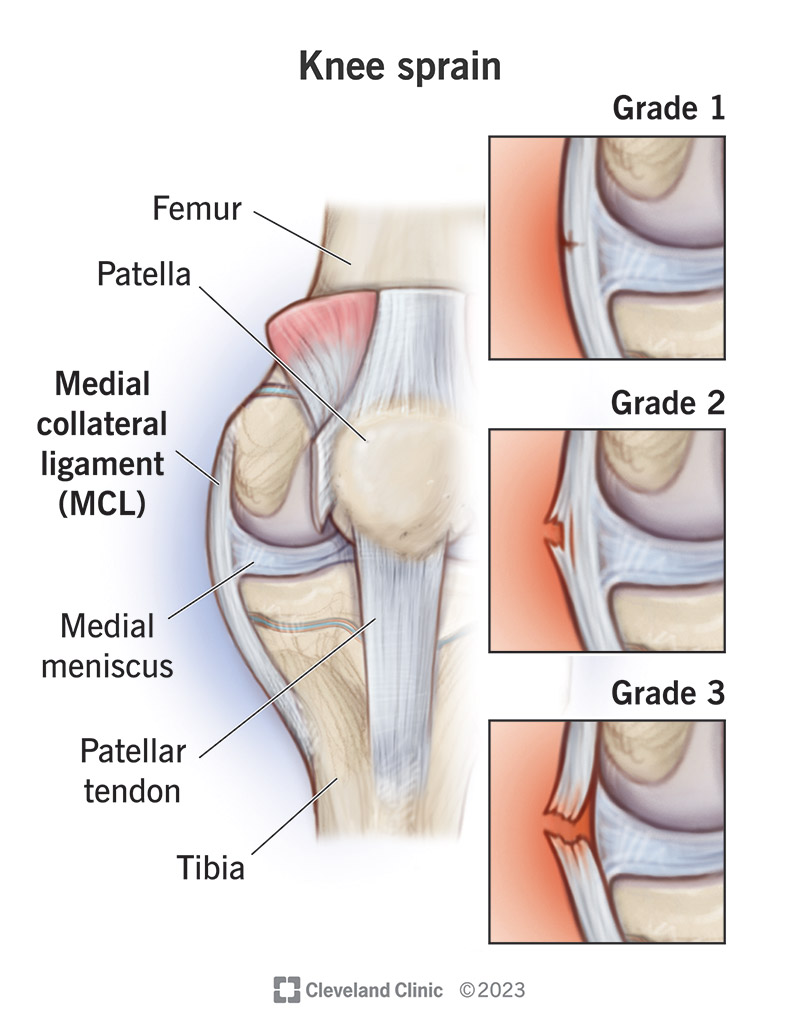
While osteoarthritis is the leading cause, other conditions can contribute to the need for knee replacement:
1. Previous Ligament Injuries
ACL or meniscus injuries can accelerate joint degeneration if not fully rehabilitated.
2. Rheumatoid Arthritis
An autoimmune condition that causes chronic inflammation and joint damage.
3. Chronic Instability
Long-term instability increases abnormal joint loading.
4. Obesity
Excess body weight increases compressive forces through the knee.
Often, it’s a combination of these factors rather than one single event.
Symptoms That May Lead to Knee Replacement

Symptoms that typically prompt surgical discussion include:
- Persistent knee pain that limits daily life
- Significant stiffness, especially in the morning
- Swelling that does not resolve
- Difficulty climbing stairs
- Reduced walking tolerance
- Noticeable joint deformity
When conservative treatments such as physical therapy, strengthening, injections, or medications no longer provide relief, surgery may be recommended.
The Bigger Picture
Knee replacement is often the result of long-term joint stress exceeding the knee’s ability to adapt.
Early intervention can sometimes delay surgery by improving:
- Strength
- Mobility
- Joint mechanics
- Load management
If knee discomfort has been progressively worsening, a thorough evaluation can clarify options.
Book a free Discovery Visit (DV) to assess your knee mobility, strength, and joint function to determine the best next steps.